The Evolution of Roadsters: From the 1950s to Modern Icons
The roadster, a term that evokes images of open-top motoring and carefree drives, has undergone a remarkable evolution since its inception. Originating as a stripped-down, lightweight vehicle designed for performance and simplicity, the roadster has transitioned through decades of automotive history to become a symbol of both heritage and cutting-edge innovation. This article explores the journey of the roadster from the post-war era of the 1950s to the present day, examining the iconic models and design trends that have shaped its identity.
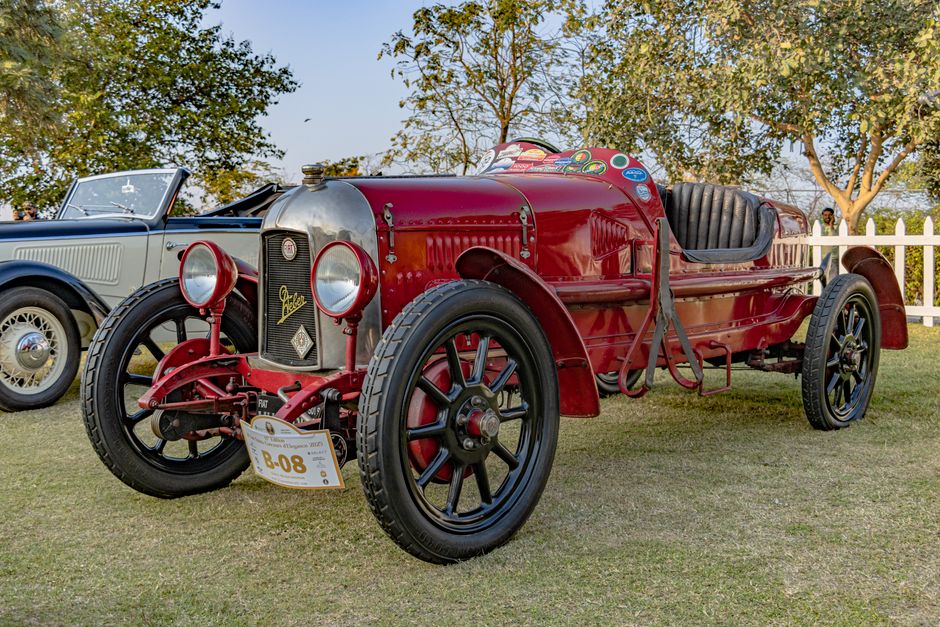
In the 1950s, roadsters were typically two-seater convertibles with minimal amenities, focusing on the pure driving experience. They were often based on existing platforms but with lightweight bodies and tuned engines to enhance agility. The emphasis was on mechanical simplicity, direct steering, and a connection to the road that was unmatched by heavier, more luxurious cars. This era laid the foundation for the roadster’s reputation as a driver’s car, prioritizing engagement over comfort.
As decades passed, the roadster evolved to incorporate new technologies and safety features while retaining its core essence. The transformation from purely utilitarian machines to lifestyle vehicles reflects broader automotive trends, including advances in aerodynamics, materials, and electronics. Today, modern roadsters blend heritage design cues with state-of-the-art engineering, catering to enthusiasts who seek both performance and a touch of nostalgia.
The Golden Age: 1950s Roadsters
The 1950s are often heralded as the golden age of the roadster, a period when several iconic models were introduced and set the standards for future generations. British manufacturers like MG and Triumph were at the forefront, producing affordable roadsters that captured the spirit of motoring freedom. The MG T-Series and the Triumph TR2 exemplified the formula: a simple chassis, a robust engine, and a body designed for aerodynamic efficiency and aesthetic appeal.
These vehicles were not only popular in their home markets but also gained a significant following in the United States, where returning servicemen had developed a taste for European sports cars. The roadster’s lightweight construction and nimble handling made it an ideal choice for weekend racing and spirited drives on winding roads. The lack of creature comforts was seen as a virtue, as it emphasized the raw and unfiltered driving experience.
The design language of the 1950s roadster was characterized by flowing fenders, a long hood, and a short rear deck. Chrome accents and wire wheels added a touch of elegance, while the absence of a fixed roof contributed to a sense of adventure. These cars were often marketed with a focus on the joy of open-air motoring, targeting a demographic that valued enthusiasm over practicality.
However, the roadster was not without its challenges. Weather protection was minimal, and the cabins were cramped and utilitarian. Yet, these limitations were embraced by enthusiasts who viewed them as part of the charm. The roadster was a car that demanded involvement and rewarded the driver with a sensory experience that is difficult to replicate even in modern vehicles.
Transformation and Adaptation: 1960s–1980s
The 1960s brought significant changes to the automotive industry, and roadsters were not immune. Safety regulations began to tighten, and consumers started to expect more comfort and convenience features. Automakers responded by evolving the roadster formula, introducing more refinement while maintaining performance. Models like the MGB and the Triumph Spitfire offered a bit more interior space and better weather sealing, but they still retained the fundamental appeal of a lightweight, open-top two-seater.
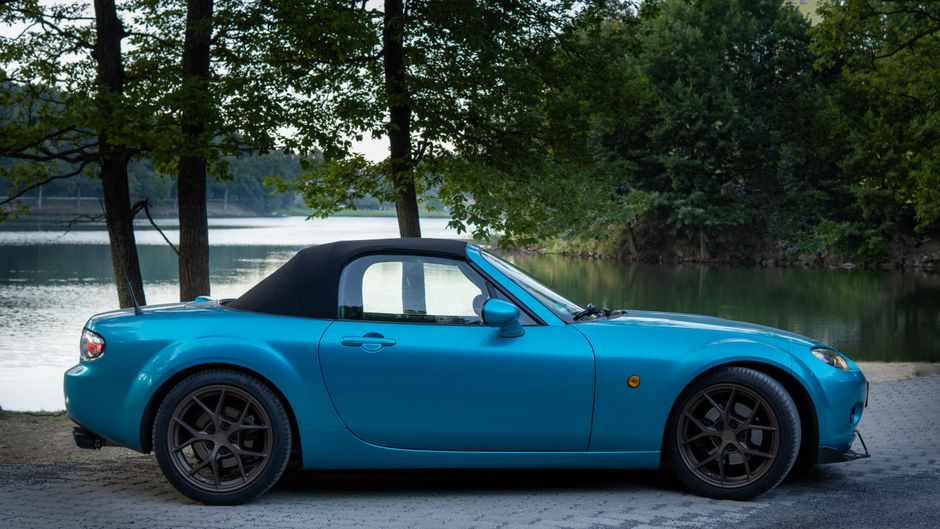
During this period, Japanese manufacturers entered the scene, bringing a new approach to roadster design. The Datsun Fairlady (known as the 240Z in export markets) and the Mazda MX-5 (introduced in 1989) later became benchmarks for the segment. These cars combined reliability and affordability with engaging handling, making roadsters accessible to a broader audience.
The 1970s and 1980s saw a decline in the traditional roadster as oil crises and changing consumer preferences favored more practical vehicles. However, the spirit of the roadster never fully disappeared. The Mazda MX-5, inspired by the classic British roadsters of the 1960s, proved that there was still a market for a lightweight, affordable, and fun-to-drive convertible. Its introduction in 1989 was a watershed moment, revitalizing the segment and demonstrating that heritage and innovation could coexist.
The MX-5’s success was not accidental; it was the result of meticulous research and a commitment to the original roadster ethos. The design team studied the best aspects of classic models and incorporated modern engineering to create a car that felt both nostalgic and contemporary. This approach would influence subsequent roadster designs for decades to come.
Modern Icons: 1990s to the Present
The 1990s and 2000s saw a proliferation of roadsters that catered to different tastes and budgets. Manufacturers such as Porsche, BMW, and Mercedes-Benz introduced high-performance roadsters that combined luxury with agility. The Porsche Boxster, for example, offered a mid-engine layout that provided balanced handling and a distinctive sound. These vehicles were not just about open-air driving but also about technological innovation, with features like advanced suspensions, stability control, and premium interiors.
Simultaneously, the Mazda MX-5 continued to evolve, with each generation refining the original concept without losing its essence. The fourth-generation model, introduced in 2015, saw a return to a simpler, more focused approach, shedding some electronics to reduce weight and enhance the connection between car and driver. This commitment to purity echoed the principles of the 1950s roadsters, proving that the core values of the segment remain timeless.
In recent years, the roadster segment has faced challenges from changing mobility trends and the rise of SUVs. However, automakers have responded with innovative solutions, including electrification. The introduction of electric roadsters, such as the Tesla Roadster (first generation) and the upcoming next-generation models, signals a new era where performance and sustainability can coexist. These vehicles retain the open-top experience while offering instant torque and zero emissions, appealing to a new generation of enthusiasts.
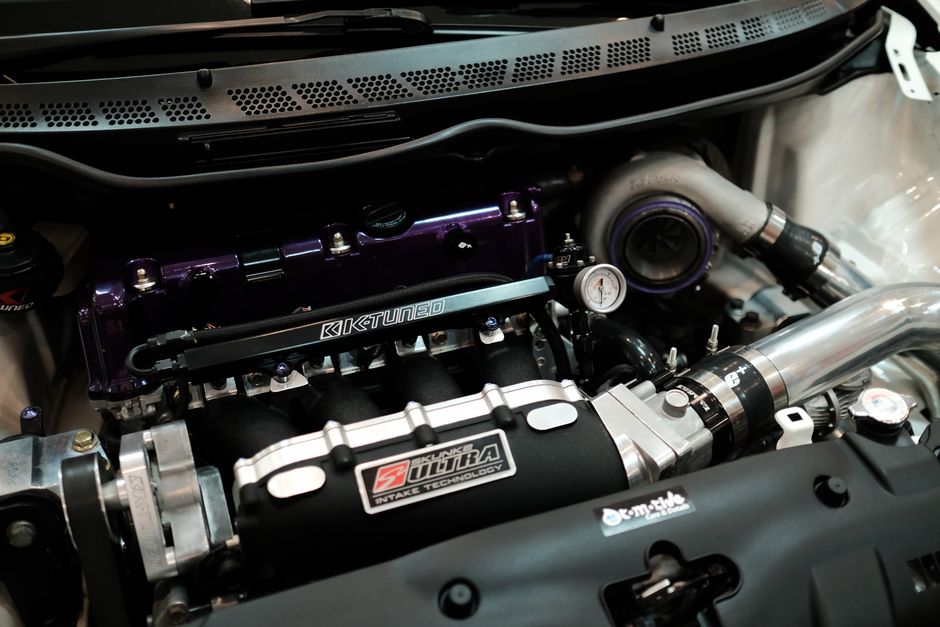
Design trends in modern roadsters emphasize aerodynamic efficiency, aggressive styling, and the use of lightweight materials like aluminum and carbon fiber. The integration of digital displays and connectivity features has also become standard, but careful attention is paid to not overwhelm the driver. The challenge lies in balancing traditional driver engagement with modern technological expectations.
The Future of Roadsters
As the automotive industry moves towards autonomy and electrification, the roadster faces both threats and opportunities. Autonomous driving technologies could potentially offer a hands-free open-top experience, but they might also detract from the active involvement that defines the roadster. Electrification offers the possibility of enhanced performance through instant torque and lower center of gravity, but it also adds weight and complexity.
Nevertheless, the roadster’s enduring appeal lies in its emotional resonance. It represents freedom, adventure, and the joy of driving—a timeless concept that transcends technological changes. Manufacturers that understand this are likely to continue producing roadsters that appeal to enthusiasts, whether through hybrid or fully electric powertrains. The future may see roadsters that are more accessible, with advanced driver-assistance systems for safety, but they will always prioritize the open-air experience.
The roadster is more than a car; it is a celebration of motoring heritage and forward-looking innovation, a delicate balance between the past and the future.
In conclusion, from the minimalist machines of the 1950s to the sophisticated and eco-conscious models of today, roadsters have continuously adapted while preserving their unique character. As we look ahead, the roadster will remain a testament to the enduring love for open-top motoring, evolving to meet new demands without losing its essence. For enthusiasts and casual drivers alike, the roadster offers a slice of automotive history combined with the promise of future innovation.