Performance Tuning for Roadsters: Power Gains Without Sacrificing Reliability
Performance tuning a roadster is a journey that many enthusiasts embark upon with the goal of enhancing the driving experience. The appeal of a more responsive throttle, a deeper exhaust note, and sharper handling is undeniable. However, the path to increased performance is often accompanied by concerns about reliability and everyday usability. This article aims to provide a balanced perspective on popular modifications—exhaust systems, intakes, and suspension tuning—while emphasizing the importance of preserving roadworthiness and daily comfort. By understanding the principles behind each upgrade, owners can make informed decisions that align with their driving priorities.
In the realm of roadsters, the balance between power and reliability is delicate. Automakers engineer vehicles with a margin of safety, and aftermarket modifications can either respect or exceed that margin. The key is to approach tuning with a mindset of measured improvement rather than aggressive gains. This involves researching compatible components, understanding the impact on engine management and emissions, and considering how modifications affect other systems. With careful planning, it is possible to achieve noticeable enhancements without compromising the vehicle’s dependability or its ability to serve as a reliable daily driver.
Exhaust Systems: Flow and Sound
Exhaust system upgrades are among the most popular modifications for roadsters, primarily because they can improve engine breathing and alter the acoustic character. The exhaust system’s primary function is to expel combustion gases efficiently. A restrictive exhaust can hinder performance, especially at higher RPMs, where the engine needs to expel a larger volume of gas. Aftermarket cat-back or axle-back systems often use larger-diameter tubing and high-flow mufflers to reduce backpressure, allowing the engine to ‘breathe’ more freely. However, it is important to note that the gains are typically modest, and the most significant benefit may be the weight reduction and the sound.
When selecting an exhaust, considerations extend beyond peak power. The diameter and design should match the engine’s displacement and the rest of the intake/exhaust path. An overly large pipe can reduce exhaust gas velocity, which may actually hurt low-end torque—a characteristic that is often more relevant for daily driving. Additionally, the material (e.g., stainless steel or titanium) affects durability and weight, but also cost. Sound is another crucial factor; some roadster owners prefer a subtle growl, while others desire a more aggressive note. Many aftermarket systems come with removable silencers or adjustable baffles to modulate volume, aiding in maintaining neighbor-friendly manners and compliance with local noise regulations.
From a reliability standpoint, a quality exhaust system is unlikely to cause mechanical issues if properly installed. However, it is essential to ensure that the installation does not introduce leaks or interfere with sensors such as oxygen sensors. Also, in regions with strict emissions testing, a high-flow catalytic converter or a test pipe may not pass inspection, leading to legal and environmental concerns. Therefore, it is advisable to choose components that retain the catalytic converters or use a ‘high-flow’ catalytic converter that meets legal requirements. The long-term effect on the engine is generally benign, but maintaining proper backpressure is crucial for scavenging and valve longevity.
Intake Systems: Breathing In More
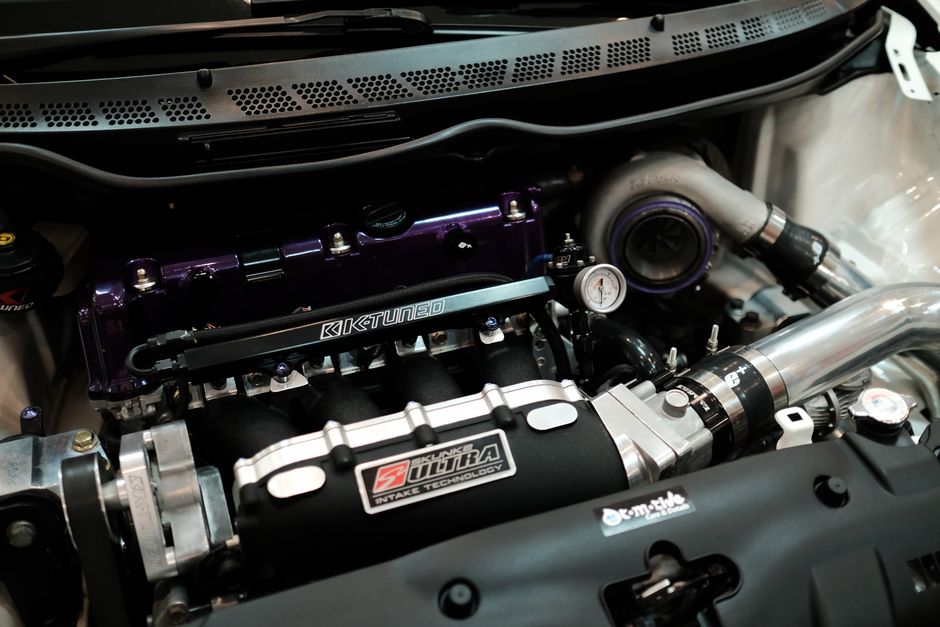
Intake modifications aim to reduce the restriction on the air entering the engine. A cold air intake (CAI) or a short ram intake can increase airflow, potentially improving throttle response and top-end power. These systems typically replace the restrictive factory airbox with a freer-flowing filter and a smoother pipe, sometimes positioned to draw cooler air from outside the engine bay. The potential benefit is more pronounced if the factory airbox is heavily restrictive, but in modern engines, the gains are often small, and the main advantage might be a more audible induction sound.
The key to an effective intake is to ensure that the filter is well filtered and positioned to avoid hot air. A heat shield or a cold air box can help maintain lower intake temperatures, which is vital for performance and engine safety. However, many aftermarket intakes draw air from within the engine bay, leading to higher intake temperatures than the factory system, which can actually reduce power and increase the risk of knock. Therefore, it is crucial to select a design that isolates the filter from engine heat and, if possible, verify the system’s performance data. Also, consider the filter’s cleaning and maintenance requirements; a clogged filter can reduce flow and increase engine wear over time.
In terms of reliability, an intake must be robust enough to withstand engine vibrations and potential debris. Poorly constructed intake pipes can crack, and hoses can disconnect, leading to unmetered air entering the engine, which can cause driveability issues. Furthermore, if the intake causes the engine to run lean (too much air relative to fuel), it could lead to higher combustion temperatures and potential engine damage. Most modern vehicles can adapt to moderate airflow changes, but for significant modifications, a professional tune may be necessary to adjust the air-fuel ratio. Thus, while intakes are relatively simple and reversible, they should be chosen and installed with care to avoid unintended consequences.
Suspension Tuning: Handling and Comfort
Suspension modifications are often sought to improve handling, reduce body roll, and sharpen steering response. Lowering springs, coilovers, upgraded anti-roll bars, and performance dampers are common choices. Each component alters the vehicle’s dynamic behavior in distinct ways. For instance, coilovers allow adjustment of ride height and damping, offering the most flexibility but also requiring more setup knowledge. Lowering the center of gravity can reduce body roll and improve cornering grip, but it also affects suspension geometry and can compromise ride comfort, especially on uneven roads.
When pursuing suspension upgrades, the trade-off between performance and comfort is central. A stiffer setup can improve response and reduce body roll, but it typically transmits more road imperfections to occupants, making daily drives harsher. Additionally, lowering the car may cause issues with speed bumps, driveways, and other obstacles, affecting roadworthiness. Therefore, it is essential to choose spring rates and damping settings that match the intended use. Adjustable dampers with a wide range can offer a compromise: performance on demand and comfort when needed. Furthermore, proper alignment is critical after any ride height change to ensure even tire wear and predictable handling.
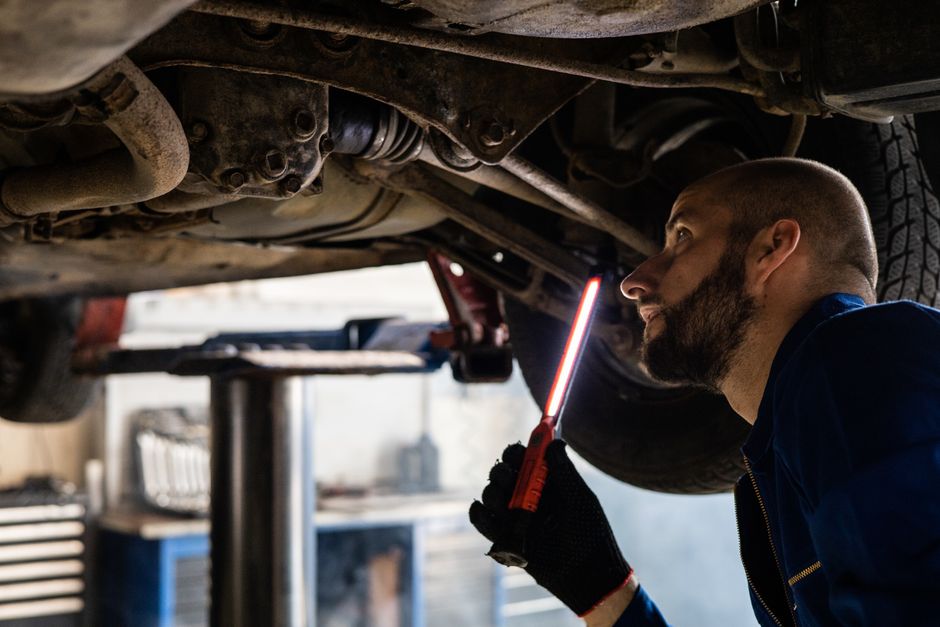
Reliability considerations include the durability of components and their interaction with other systems. Stock suspension components are designed to work together; altering one aspect can place additional stress on bushings, mounts, and even the chassis. High-quality aftermarket parts are often more robust, but they may also transfer more stress to other components, leading to premature wear. Additionally, some modifications, such as cutting springs (which is not recommended), can be dangerous and significantly reduce suspension travel. A well-engineered suspension kit, installed by a professional and aligned correctly, can enhance driving enjoyment without compromising safety or excessive maintenance. Regular inspections of suspension components are also advisable to detect wear early.
Balancing Performance and Reliability
Achieving a harmonious balance between increased performance and maintained reliability requires a holistic approach. It is beneficial to view the vehicle as a system where each modification can influence others. For example, adding a free-flowing exhaust and intake might shift the air-fuel ratio, necessitating a tune to optimize fueling. Similarly, changing suspension settings might affect the effectiveness of stability control systems, especially in roadsters equipped with electronic aids. Therefore, it is often wise to plan modifications in stages, assessing the impact of each change before proceeding.
Another aspect is the maintenance schedule. Performance parts may require more frequent attention, such as cleaning high-flow air filters, inspecting bushings for wear, and checking fluid levels in adjustable dampers. Neglecting these tasks can lead to reduced performance and potential failures. Also, it is important to keep the vehicle in good overall condition; a well-maintained engine with clean fluids and fresh spark plugs will respond better to tuning than one that is neglected. Reliability ultimately depends on the quality of components, the correctness of installation, and the consistency of maintenance.
Furthermore, considering the intended use is vital. A roadster that serves as a weekend warrior on canyon roads may benefit from a more aggressive setup, while one used for daily commuting and errands requires a more conservative approach. The beauty of many modifications is that they are reversible, allowing owners to return to stock if desired. This flexibility also enables a trial-and-error process to find the optimal setup for individual preferences. However, it is essential to keep records of all changes and retain original parts, as they may be needed for resale or restoration.
Conclusion
In summary, performance tuning of a roadster involves a series of decisions that weigh the desire for more power and agility against the need for reliability and daily comfort. Exhaust and intake modifications can subtly improve engine breathing, but their benefits are often limited unless complemented by a proper tune. Suspension upgrades offer the most noticeable transformation in driving feel, yet they require careful selection to balance ride quality and handling. Throughout the process, maintaining roadworthiness—ensuring the vehicle remains legal, safe, and practical for everyday use—should remain a priority. By taking a measured, informed approach, owners can enjoy the rewards of a more spirited drive while preserving the dependability that makes a roadster a joy to own.
Ultimately, the goal of tuning is not just to increase numbers, but to enhance the connection between driver and machine. Every modification should be a considered choice, reflecting the owner’s values and driving style. With respect for the engineering and maintenance of the vehicle, there is ample room to personalize and improve a roadster without sacrificing the very qualities that make it special.